

An interdisciplinary art and architecture exhibition examining how feminist ethics can shape climate-responsive and inclusive public spaces in the Bengal Delta.
The British Council announces the opening of Dialogues in Coexistence: Shaping Inclusive Public Spaces in the Bengal Delta, opening on Saturday, 27 June 2026 at Bengal Shilpalay, Dhanmondi, Dhaka. The inauguration will begin at 5:00 PM, with the exhibition open to the public from 10:00 AM to 8:00 PM from 28 June until 25 July 2026.
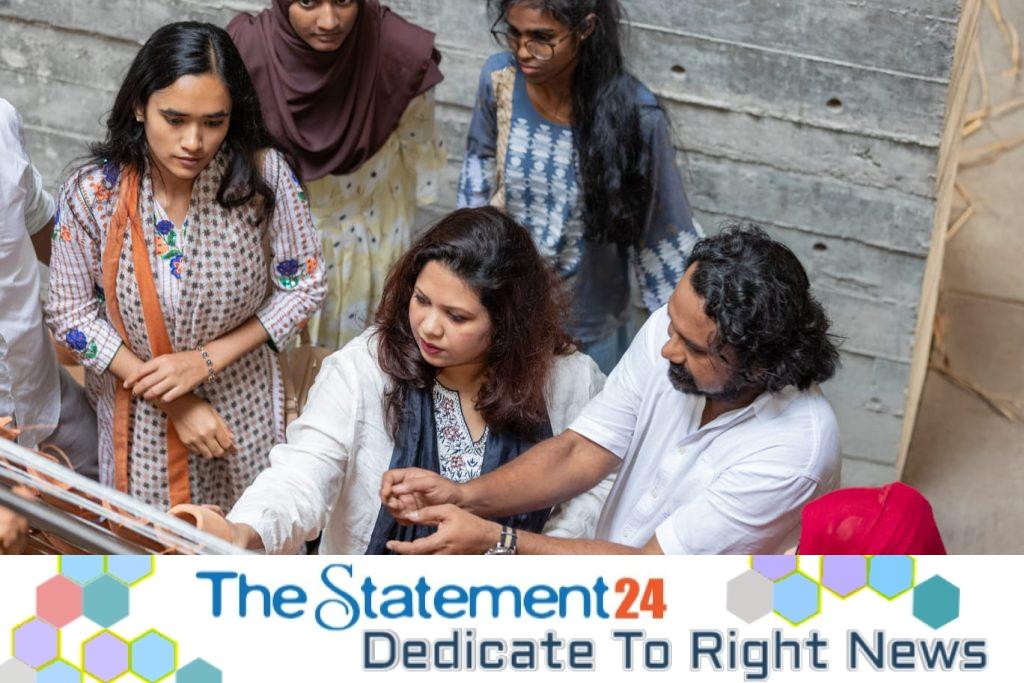
Supported through the British Council’s Women of the World (WOW) Bangladesh Grants Programme, the project is led by architects Saiqa Iqbal Meghna and Suvro Sovon Chowdhury. The exhibition brings together art and architecture to explore how feminist ethics, climate responsiveness, and public participation can inform the design of more inclusive civic spaces in the Bengal Delta.
The opening will be attended by Mr. Zonayed Abdur Rahim Saki M.P., Honourable State Minister, Ministry of Planning, and Mr. James Goldman, Acting British High Commissioner and Development Director to Bangladesh, and will be presided over by Ms. Luva Nahid Choudhury, Director-General of Bengal Foundation, and Mr. Stephen Forbes, Country Director Bangladesh, British Council.
The exhibition has been developed with curatorial guidance from Luva Nahid Choudhury, Director-General of Bengal Foundation and Wakilur Rahman, acclaimed artist and Founder of Kala Kendra positioning architecture not only as a physical practice, but as a platform for participation, belonging, and shared stewardship. Visitors will encounter installations that foreground local materials, craft traditions, and environmental sensitivity while reimagining the relationship between people, place, and ecology.
The opening event will also feature a special address by Professor Kazi Khaleed Ashraf, architect, educator, and Director General of the Bengal Institute for Architecture, Landscapes and Settlements. The event will bring together representatives from the cultural sector, academia, government, development organisations, and the wider public.
This initiative reflects the British Council’s ongoing commitment to advancing gender equality and addressing the climate emergency through arts and culture, while supporting women-led creative practice and interdisciplinary collaboration. It forms part of a wider effort to strengthen the creative economy and support more inclusive and sustainable societies.